


Neuropathy can cause balance problems because numb feet send less information to your brain about where the ground is and how your weight is shifting. Without that feedback, walking can feel unsteady, especially in the dark or on uneven sidewalks. Simple safety changes, balance training, and non-drug care that supports nerve function may help you feel steadier, alongside the care you get from your physician.
Why numb feet make you unsteady
Your balance depends on three systems working together: your eyes, your inner ear, and the nerves in your feet and legs. Those nerves constantly report pressure, position, and movement. The medical term for this sense is proprioception.
When peripheral neuropathy dulls those signals, your brain leans harder on your eyes and inner ear. That works fine in a bright room. It works much less well at night, in the shower with your eyes closed, or on a cracked Brooklyn sidewalk.
Patients often tell me it feels like walking on cotton or wearing thick socks they can’t take off. That loss of feedback is a big reason neuropathy and falls are so closely linked in older adults.
Signs your balance is being affected
- You reach for walls, counters, or furniture as you move through the house.
- You feel noticeably less steady at night or when you close your eyes.
- You’ve started watching your feet or shuffling to feel safer.
- You’ve had near-misses on curbs, stairs, or subway platforms.
Any one of these is worth mentioning to your doctor and to us. They’re signals, not just part of getting older.
Why falls deserve serious attention
According to the CDC, falls are the leading cause of injury for adults 65 and older. A single fall can lead to a broken wrist or hip, a long recovery, and a loss of independence that’s hard to win back.
Fear plays a role too. Many people with neuropathy start moving less because they’re worried about falling. That makes sense, but less movement weakens the leg and hip muscles that help keep you upright. Over time, that can make balance worse, not better.
The goal isn’t to stop moving. It’s to move with more support, more strength, and better feedback from your feet.
A good month to check in
November is American Diabetes Month, and diabetes is one of the most common causes of peripheral neuropathy. The American Diabetes Association recommends that people with diabetes have their feet examined at least once a year. If you haven’t had that check this year, now is a good time to schedule it with your physician.
Not every case is diabetic, though. We also see idiopathic neuropathy, where no clear cause is found, and neuropathy linked to pressure on nerve roots in the neck or lower back.
Everyday ways to lower your fall risk
Small changes at home can make a real difference while you work on the bigger picture.
- Light the path from your bed to the bathroom with plug-in nightlights.
- Wear supportive shoes with firm soles at home instead of socks or loose slippers.
- Use the handrail on every staircase, including walk-up stairs and subway stairs.
- Check your feet every day for cuts or blisters you might not feel.
Brooklyn winters add another layer. Icy sidewalks and slush are hard on anyone, and harder when you can’t fully feel your feet. Take shorter steps, slow down, and give yourself extra time.
When to get medical care right away
Some symptoms need a doctor promptly rather than a wait-and-see approach. Get medical care soon for a foot wound that isn’t healing, a foot that suddenly drags or slaps the ground, or new weakness in a leg. Sudden numbness or weakness on one side of the body, trouble speaking, or a drooping face can be signs of a stroke, so call 911.
How we approach neuropathy at Brooklyn Spine Center
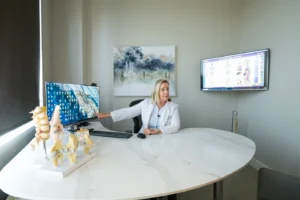
Every neuropathy case starts with a careful evaluation. We look at circulation in the small blood vessels, possible nerve root pressure in your neck or lower back, inflammation, your symptoms, your history, and your current medications. That tells us which parts of the problem we can realistically help with.
From there, our neuropathy relief program may combine a few non-drug therapies:
- ReBuilder nerve stimulation, a gentle electrical signal sent through the feet or hands to stimulate the nerves
- PEMF therapy to support circulation and ease inflammation
- Cold laser therapy to support cellular energy and local circulation in nerve tissue
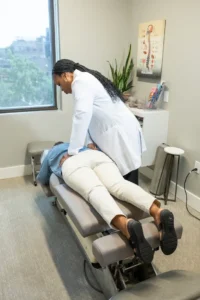
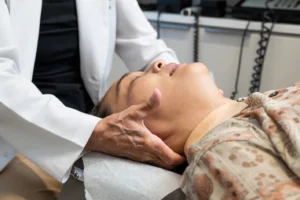
- Chiropractic care when nerve roots in the spine are part of the picture
I hold a Masterclass Certification in Peripheral Neuropathy, and that training shapes how we choose and sequence these therapies for each patient.
What progress often looks like
In our practice, changes in burning or tingling are often the first thing patients notice. Improved sensation and steadier balance can follow over time, though results vary from person to person.
One patient, John, came to us worried about falling because of numbness in his right foot. As his care moved forward, he found more confidence on his feet.
Working alongside your physician
Our program isn’t a replacement for your primary care doctor, endocrinologist, or neurologist. Many of our patients work with both, and the two approaches aren’t competing. Keep taking any medications exactly as prescribed.
Balance training belongs in the plan
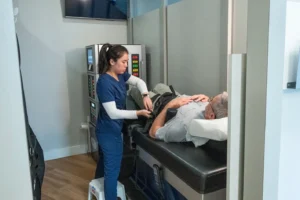
Supporting the nerves is one part of the work. The other is training your body to stay steady with the feedback it has. Our in-house physical therapy includes neuromuscular re-education, which helps your muscles, eyes, and inner ear work together.
That means exercises built for you, not a printed sheet. We track progress from visit to visit and adjust as you get stronger and steadier.
Simple practice between visits
Once we’ve checked your balance, we may suggest a few safe exercises to do at home. Common starting points include:
- Standing at a kitchen counter and slowly shifting your weight side to side
- Rising from a sturdy chair and sitting back down without using your hands
- Standing on one foot for a few seconds while holding the counter
Always keep something stable within reach, and check with your provider before starting anything new. If an exercise makes you feel unsafe, stop and let us know.
If you’d like ideas to use between visits, our post on managing diabetic neuropathy at home is a good place to start. Our guide to neuropathy symptoms and treatment options covers the basics.
Questions about Neuropathy and Balance
Can my balance improve if my feet are still numb?
In many cases, yes. Balance training can help your body rely more on strength, vision, and your inner ear, even while sensation in your feet is still recovering.
Is neuropathy care covered by insurance?
Coverage varies by plan, and some therapies, like PEMF and cold laser, aren’t covered by every policy. We review costs with you before care begins, and you can learn more on our costs and insurance page.
Do I need to stop seeing my neurologist?
No. We work alongside your physicians, and many of our patients see both.
If numb feet have made you less sure of every step, schedule an evaluation or call 718-234-6200. You can also contact us with questions about our neuropathy program.