
Non-surgical spinal decompression in Brooklyn NY
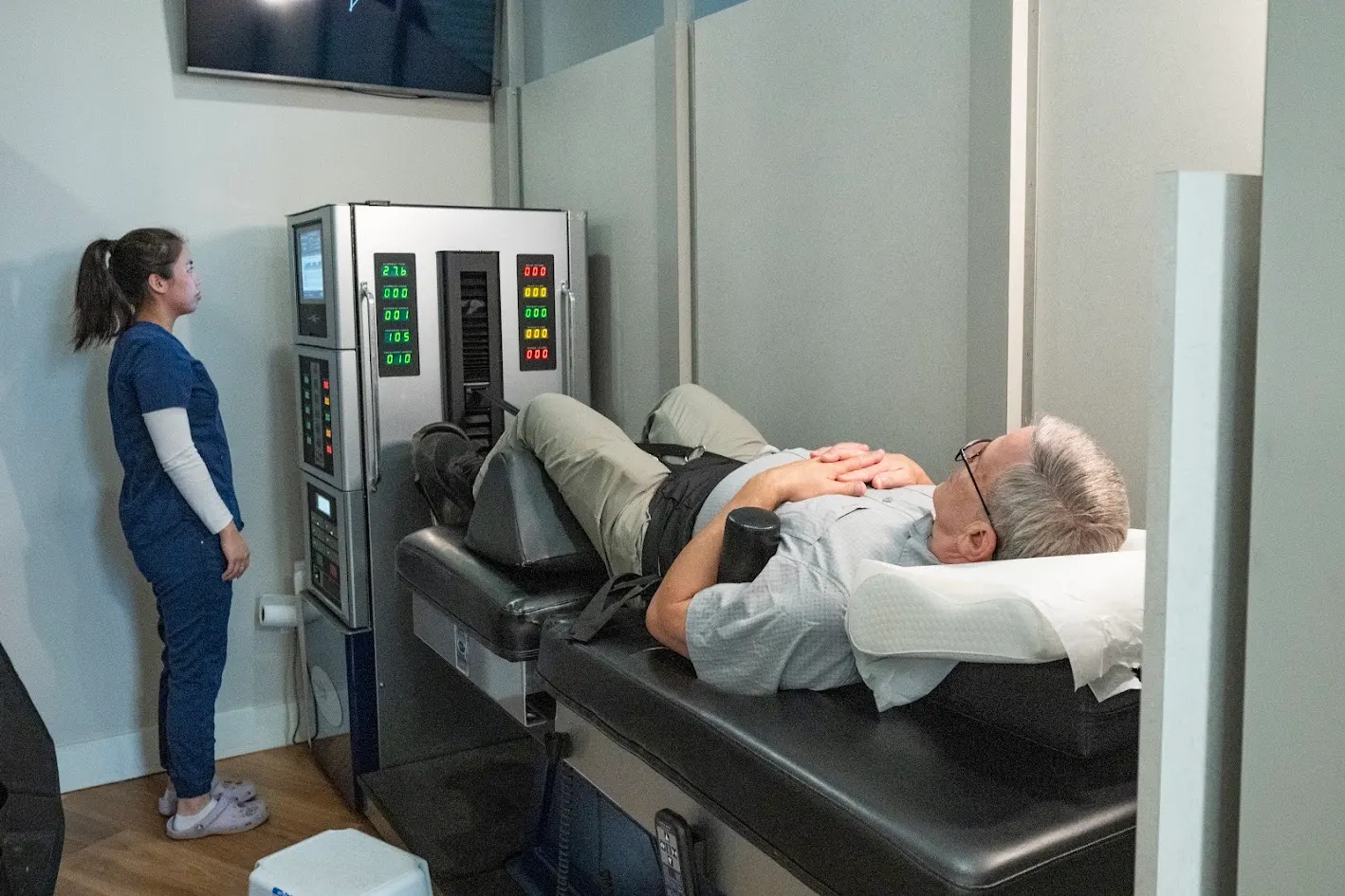
Brooklyn Spine Center uses the DRX9000 decompression system to treat herniated discs, degenerative disc disease, sciatica, and chronic back and neck pain without surgery.
A computer-controlled system built for disc pain
What makes the DRX9000 different:
- Computer-controlled force targets the affected level of the spine, not the whole spine.
- A gradual force curve helps prevent muscle guarding, so the force can reach the disc.
- The system monitors each session in real time and adjusts as it goes.
Who spinal decompression can help
We evaluate every patient carefully before recommending decompression. For the right patient, it can be an effective non-surgical option for disc-related pain, often combined with chiropractic care, cold laser therapy, and PEMF therapy.
Herniated and bulging discs
Disc material pressing on a nerve can cause pain, numbness, and weakness that spreads into the arms or legs.
Degenerative disc disease
As discs lose hydration and height, they can narrow the space around nerves and cause chronic pain.
Sciatica and radiating leg pain
Shooting or burning pain through the buttock and down the leg, often from pressure on a lumbar nerve root.
Spinal stenosis
Narrowing around the spinal canal or nerves that causes pain, cramping, or weakness when standing and walking.
Chronic disc-related neck and back pain
Ongoing pain from disc problems that hasn’t improved with other conservative care.
What a decompression session is like
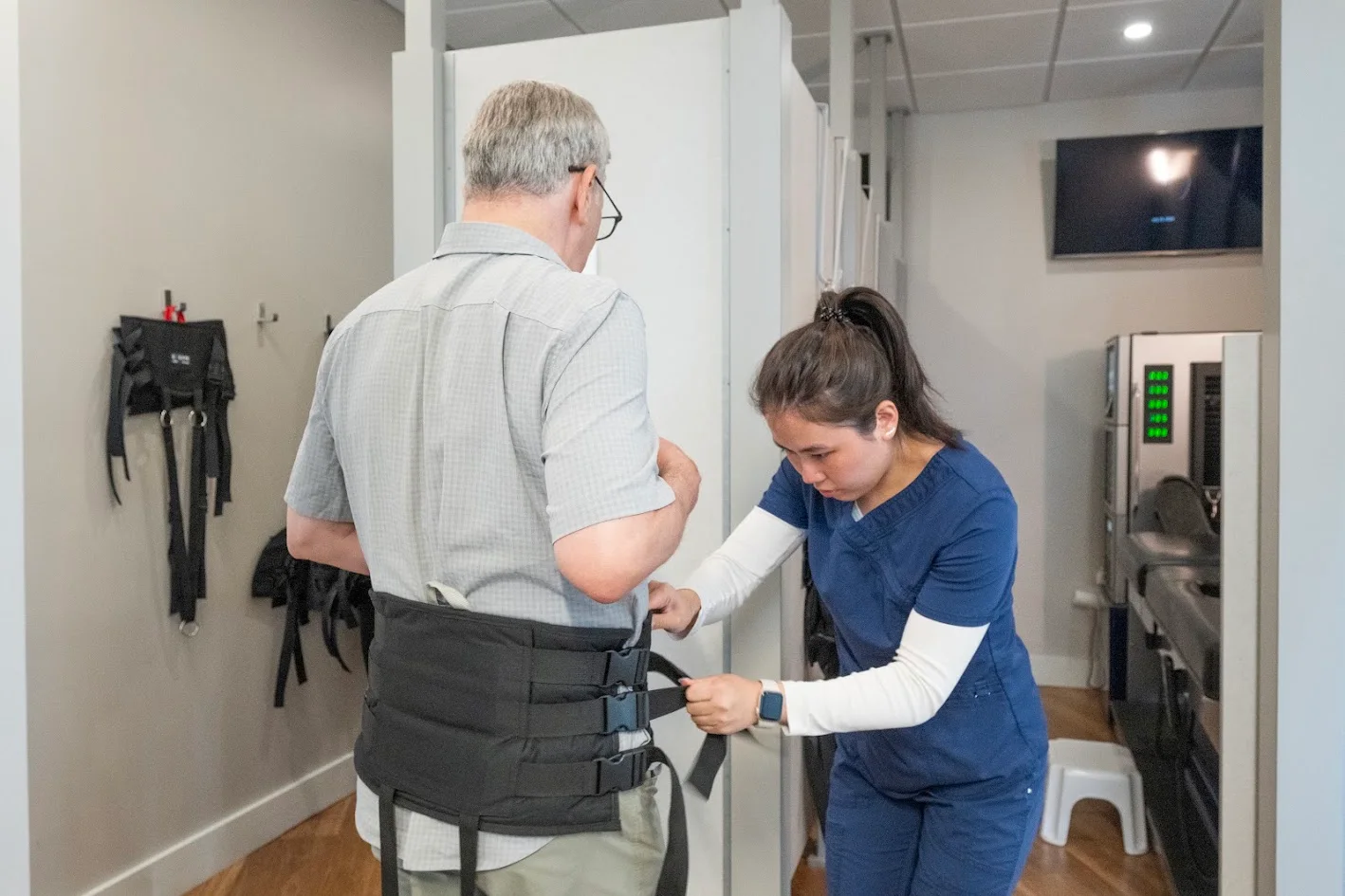
You’ll lie on the DRX9000, secured with a pelvic harness, while the system applies a gentle, controlled pulling force. Most patients describe it as a comfortable stretch.
Exploring non-surgical options first
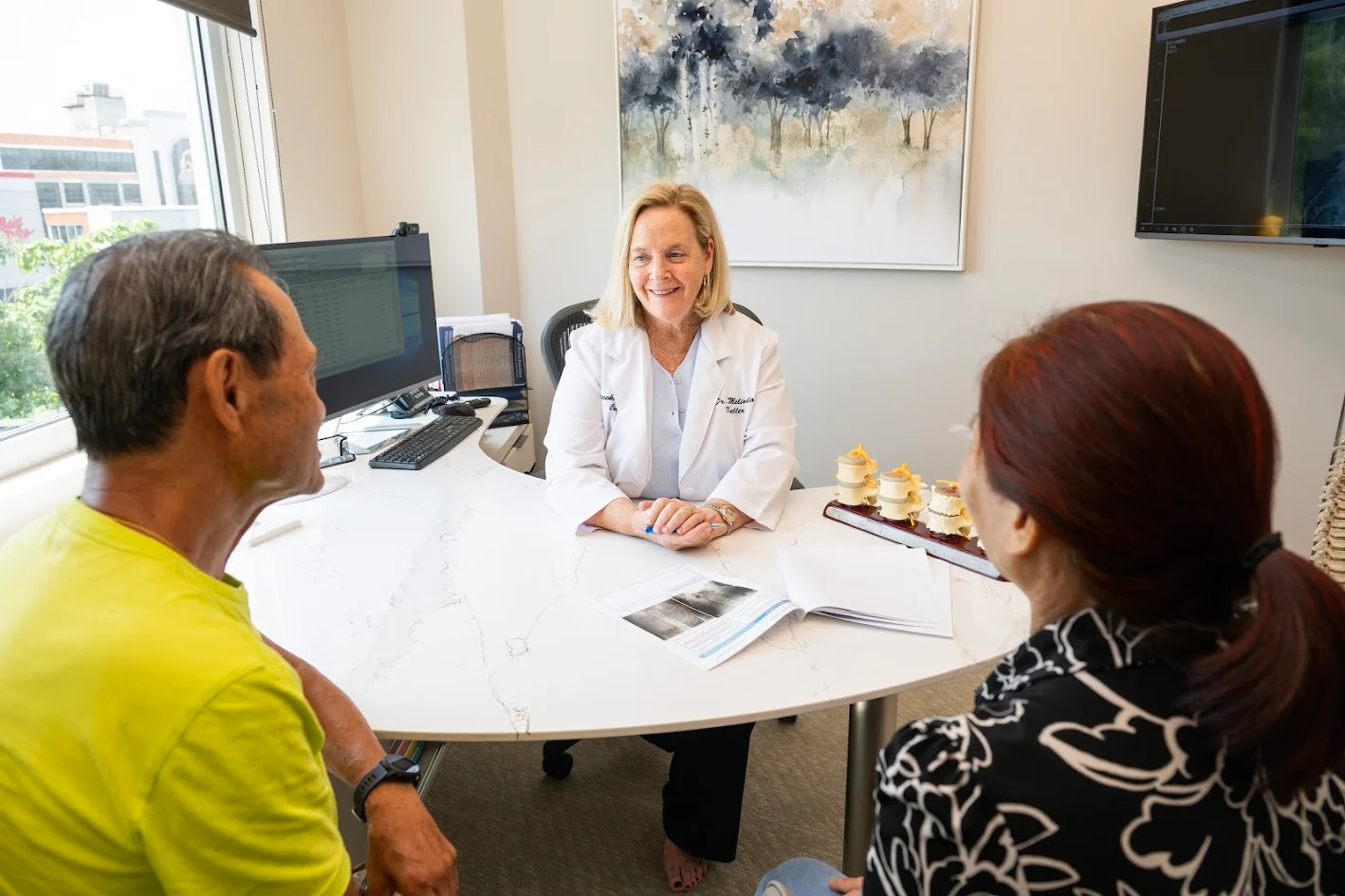
Spinal surgery is sometimes necessary, and it’s a permanent decision. Dr. Melinda Keller and our team believe decompression is worth considering for appropriate candidates before surgery. We’ll always tell you honestly whether it’s realistic for your situation.
Discs can respond to the right conditions
Decompression creates negative pressure inside the disc, which can help ease pressure on irritated nerves.
Conservative care is a reasonable first step
For many patients, trying non-surgical options before surgery makes sense.
Decompression works best as part of a plan
Combining decompression with chiropractic adjustments, PEMF therapy, and cold laser addresses several sources of pain at once.
Questions about Spinal Decompression
1. Am I a candidate for spinal decompression?
Herniated discs, degenerative disc disease, sciatica, and spinal stenosis often respond well to decompression. Some things rule it out, like fractures, spinal hardware from a past surgery, or pregnancy. A full evaluation is the only way to know for sure.
2. Is the DRX9000 the same as traction?
No. Regular traction often makes your muscles tense up and resist. The DRX9000 uses a computer-controlled force that works around that resistance, creating negative pressure inside the disc to help draw bulging material back in.
3. Is spinal decompression painful?
Most patients find it comfortable. The DRX9000 monitors you throughout each session and adjusts to keep you in a comfortable range.
4. How many sessions will I need?
It depends on your diagnosis, how severe the disc problem is, and how your body responds. Your doctor will explain your recommended plan, including how often you’ll come in and how decompression fits with your other care.
5. I've already had back surgery. Can I still receive spinal decompression?
It depends on the type of surgery and your current condition. Some post-surgical patients can receive decompression at levels near the surgical site. Bring your surgical records to your first visit so your doctor can evaluate your situation.