Shockwave therapy at Brooklyn Spine Center
Shockwave therapy is a well-researched option for chronic tendon and soft tissue conditions that haven’t improved with standard care. At Brooklyn Spine Center, we use it to help break down scar tissue, improve circulation, and restart healing in tissue that has stalled.
Acoustic wave therapy that reaches into tissue
Shockwave therapy (ESWT) uses acoustic pressure waves to reach deep into tendons, ligaments, and soft tissue. We use the Storz MasterPuls, which creates a controlled response in the treated tissue that helps restart the body’s natural repair process. It’s commonly used for joint pain and mobility and function loss.
What makes the Storz MasterPuls different:
- Pressure waves reach the deeper tissue layers where tendon damage, calcium deposits, and scar tissue build up.
- Stimulates collagen production and blood flow in tissue that has stopped healing on its own.
- Helps break up calcium deposits in tendons so the body can reabsorb them, with no needles or downtime.
- Well studied for plantar fasciitis, Achilles tendinopathy, rotator cuff problems, calcific tendinitis, and tennis elbow.
Who shockwave therapy can help
Shockwave works best for chronic tendon and soft tissue problems that have lasted three months or longer and haven’t improved with rest, physical therapy, or injections. It isn’t usually used for new, acute injuries. For those, cold laser and PEMF therapy are a better fit. Your doctor will evaluate whether shockwave is right for you.
Chronic tendon conditions
Includes Achilles and patellar tendinopathy, rotator cuff tendinosis, and tennis or golfer’s elbow that hasn’t improved with conservative care.
Plantar fasciitis and heel pain
One of the most researched uses for shockwave, especially for heel pain that hasn’t improved with stretching, orthotics, or injections.
Calcific tendinitis
Helps break up calcium deposits in the tendons, most often in the shoulder, so the body can begin reabsorbing them.
Chronic myofascial pain and trigger points
Helps release tight fascia and trigger points while improving local circulation.
Scar tissue and adhesions
Helps break up dense scar tissue so it can remodel into healthier, more flexible tissue.
What a shockwave session is like
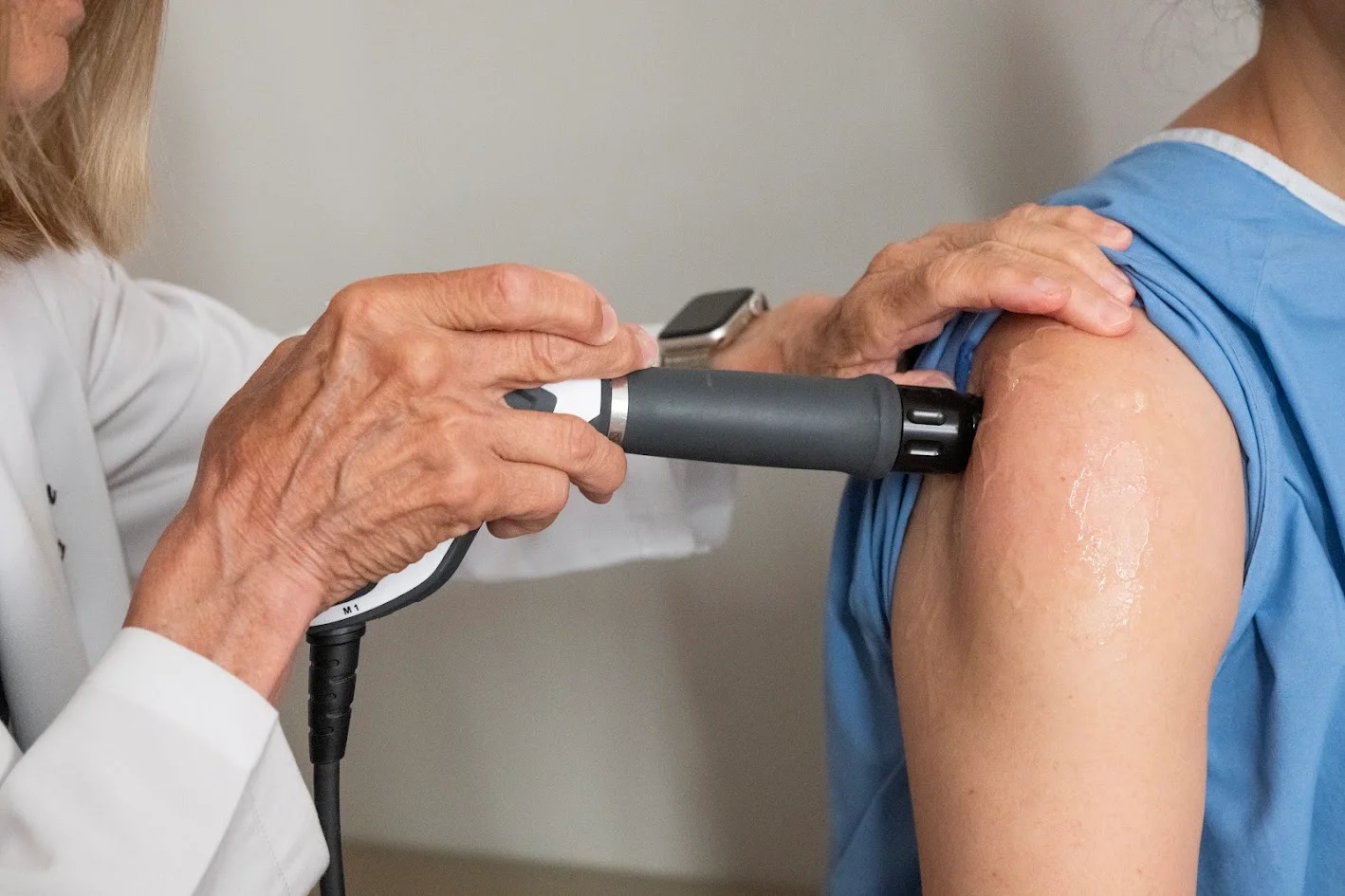
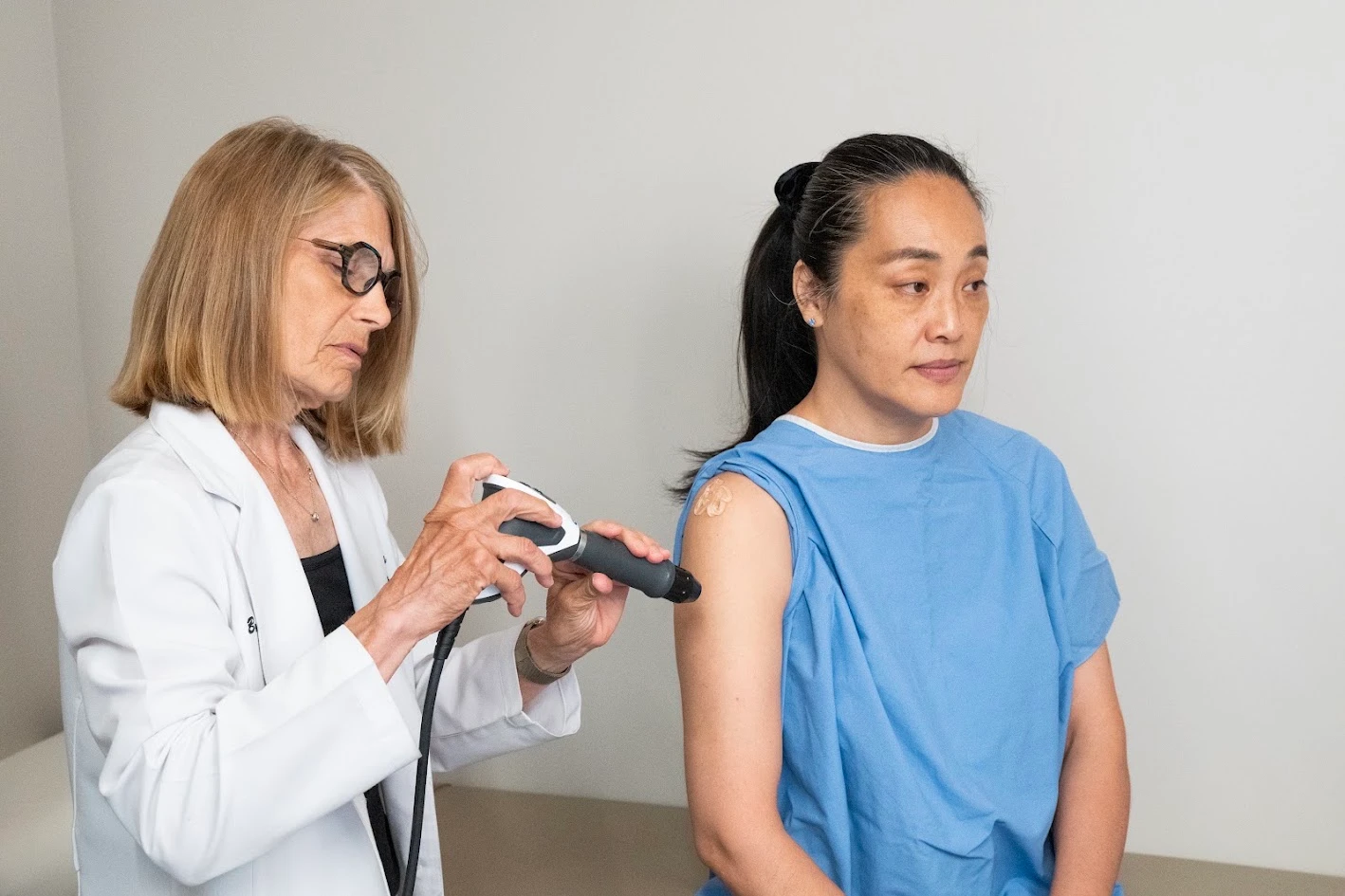
Your clinician applies the handpiece over the treatment area with ultrasound gel. You’ll feel pressure pulses that range from mild to more intense, depending on the area being treated.
Restarting healing in chronic tissue
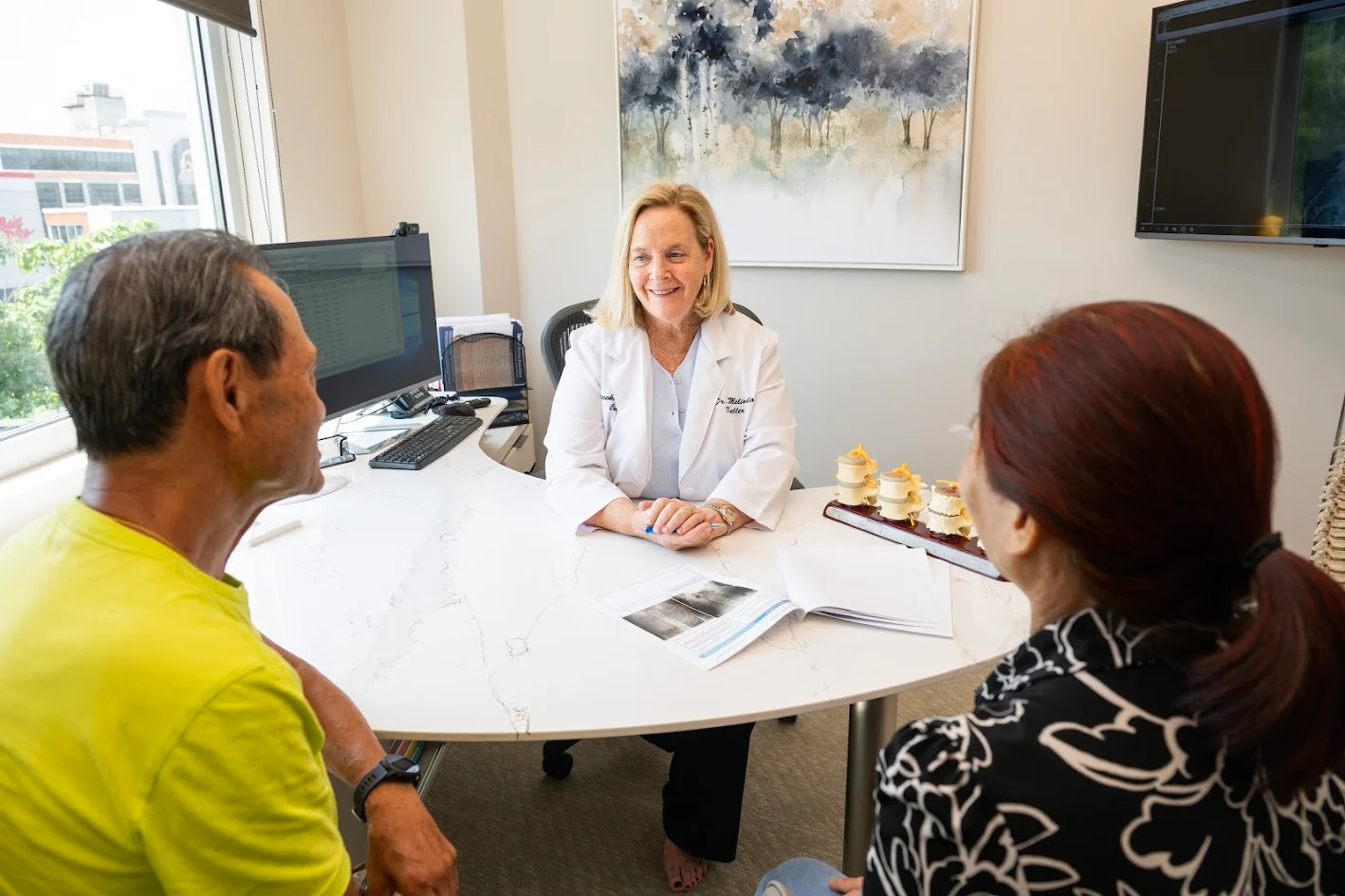
New injuries heal because the body actively sends blood flow and repair cells to the area. With chronic tendon and soft tissue problems, that repair process can slow down or stall. Shockwave helps restart it. Dr. Melinda Keller and our team use shockwave as part of a larger care plan that also addresses the mechanical problems behind the condition.
Chronic tissue needs a different approach
Anti-inflammatory treatments can ease pain, but chronic tendon problems often need active repair stimulation to improve.
Healthy tendons need active repair
Shockwave stimulates the cells that build new collagen, which supports healthier tendon tissue.
Better blood flow supports healing
Chronic tendon problems often have poor blood supply, and shockwave helps encourage new blood flow to the area.
Addressing the mechanical cause prevents recurrence
Shockwave restarts healing, but without correcting the structural loading patterns that created the chronic stress, the same tissue remains vulnerable.
Questions about Shockwave Therapy
1. Is shockwave therapy painful?
Most patients describe it as deep pressure or tapping. It’s noticeable over sore areas but well tolerated. Some soreness for a day or two afterward is normal, and your doctor will adjust the intensity based on your feedback.
2. How many shockwave sessions will I need?
Most chronic conditions need a series of sessions spaced several days apart. Your doctor will recommend the number and frequency as part of your care plan.
3. Can shockwave therapy be used alongside other treatments?
Yes, and it usually is. Cold laser helps calm inflammation, PEMF therapy supports circulation, and chiropractic care addresses the mechanical patterns that contributed to the problem.
4. I’ve had cortisone injections that stopped working. Will shockwave help?
It may. Cortisone works on active inflammation, while shockwave stimulates repair in chronic tissue. Many patients who didn’t get lasting relief from injections are good candidates, and your evaluation will show whether it’s right for you.
5. Are there conditions where shockwave therapy is not appropriate?
Yes. Shockwave isn’t used on acutely inflamed tissue, active infections or open wounds, over implanted electronic devices, during pregnancy, or for patients with clotting disorders or on blood thinners. Your doctor screens for all of these first.