Neuropathy relief at Brooklyn Spine Center

Peripheral neuropathy can come from diabetes, nerve compression, or unknown causes. Our neuropathy program combines PEMF therapy, cold laser, and the ReBuilder to help ease symptoms and support healthier nerve function.

Looking beyond symptom relief

Peripheral neuropathy is damage to nerves outside the brain and spinal cord. It can cause burning, tingling, numbness, and balance problems. Medication is often used to manage how those symptoms feel. We focus on what may be contributing to the problem, like circulation, inflammation, and nerve compression in the spine.

What we look at during your evaluation:

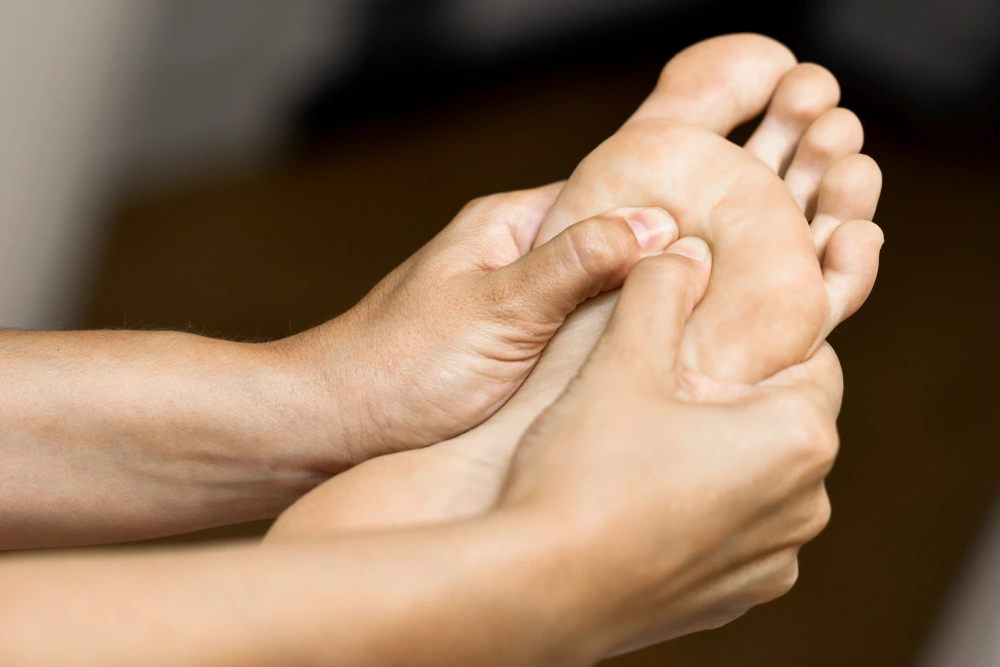
Person experiencing burning sensation and numbness in feet from neuropathy

A multi-therapy approach to neuropathy care

No single therapy addresses every factor behind neuropathy, so our program combines several in a structured plan within our four-milestone approach.

ReBuilder nerve stimulation

The ReBuilder sends a gentle electrical signal through the feet or hands to stimulate the nerves and help ease burning, tingling, and numbness.

PEMF therapy with the Pulse XL Pro

Uses pulsed electromagnetic fields to support circulation and cellular energy in the treated area. Learn more about PEMF therapy.

Cold laser therapy with the MedRay QuantumX

Helps calm inflammation and supports healing in the surrounding tissue. Learn more about cold laser therapy.

Chiropractic care for the spinal component
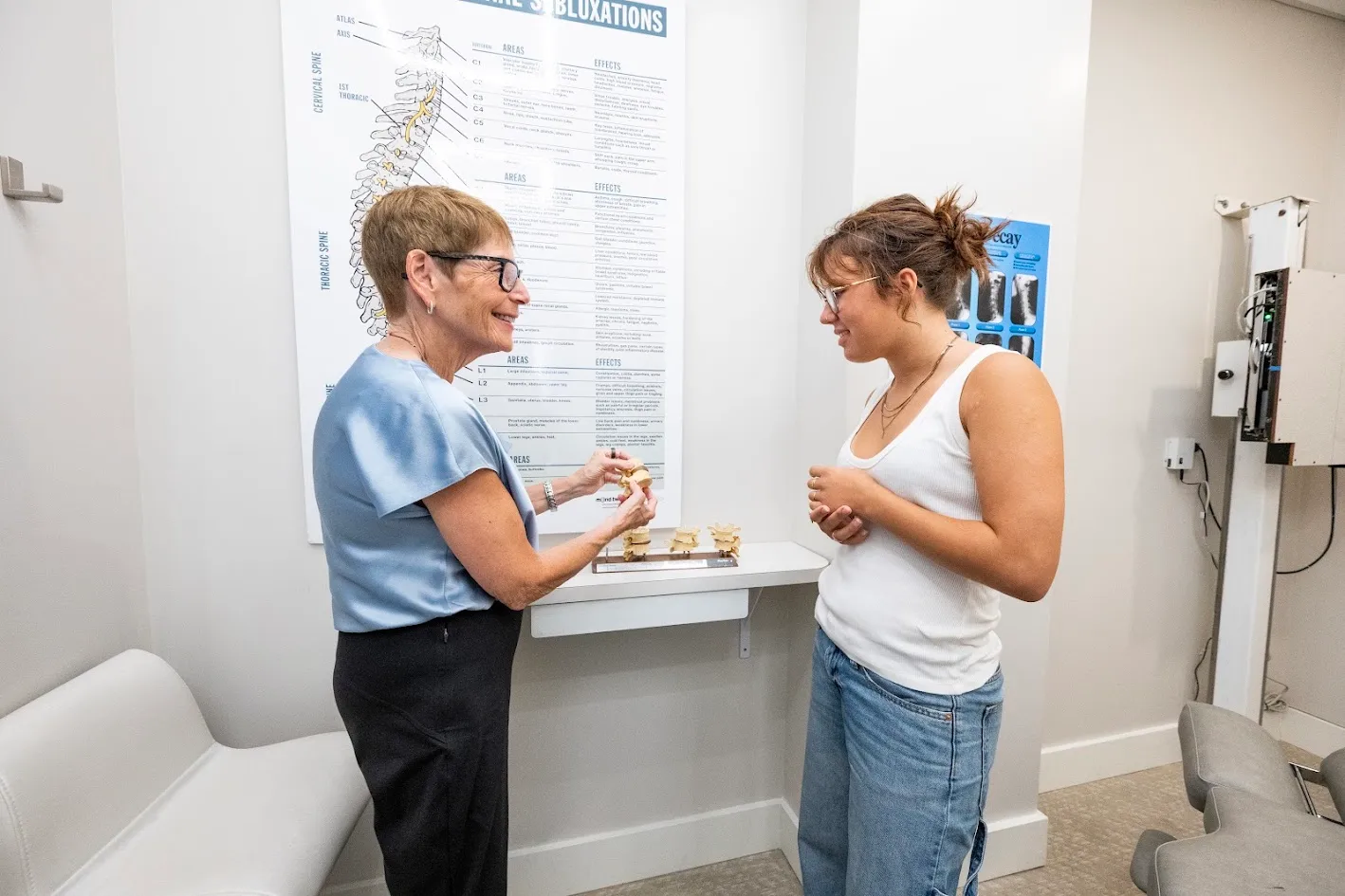
When nerve roots in the neck or low back are involved, chiropractic care helps address that source of pressure.
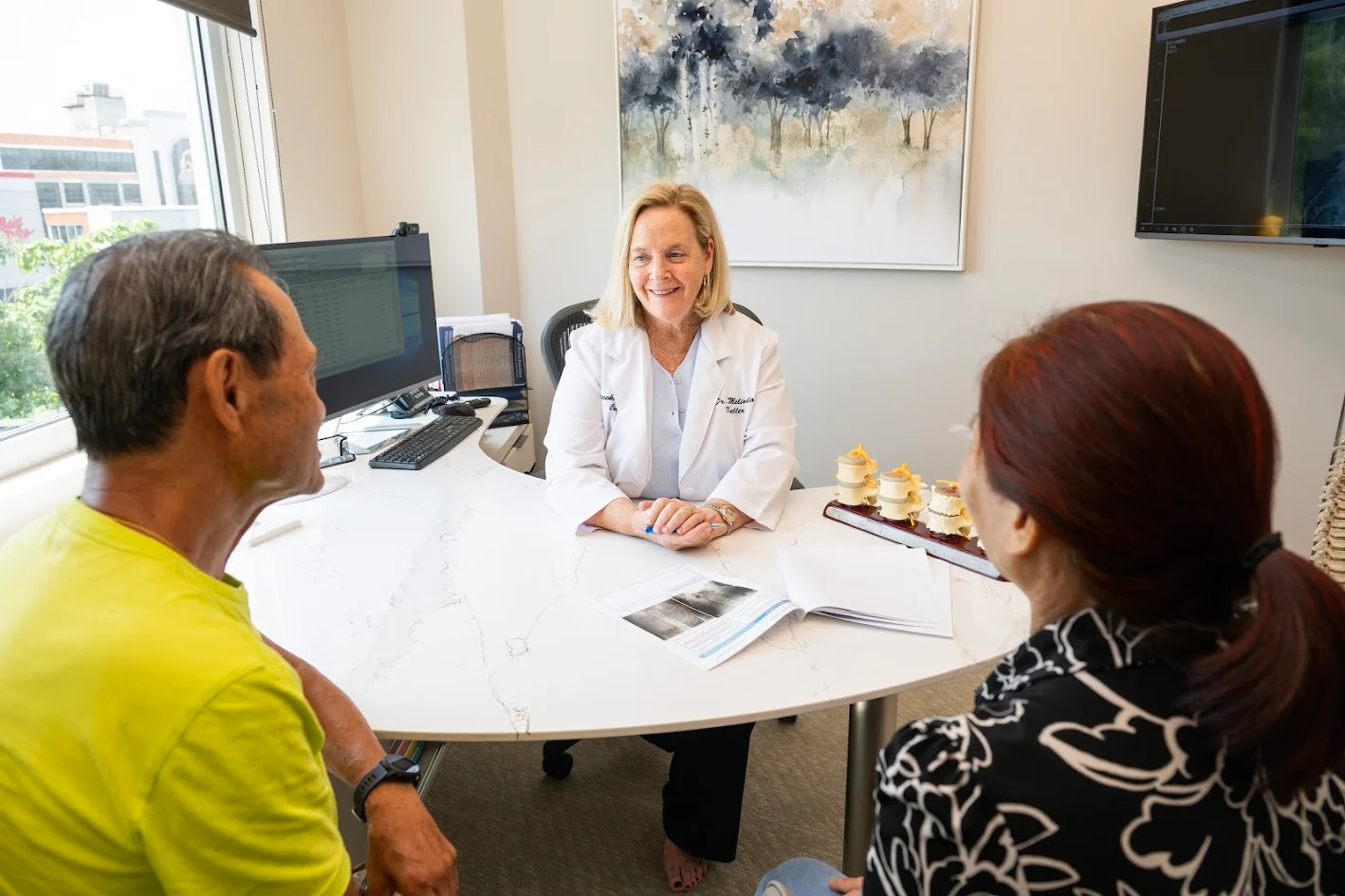
An older female chiropractor explains spinal models to a young female patient in a medical office with a spine chart on the wall.

Realistic expectations for neuropathy care

Neuropathy doesn’t improve overnight. How much and how quickly you improve depends on the cause, how long you’ve had symptoms, and how much nerve damage is present. Your doctor will give you an honest picture of what to expect after your evaluation.

Less burning and tingling

Often the first change patients notice when they respond to care.

Improved sensation

Some patients notice feeling gradually return to areas that were numb.

Steadier balance

Better nerve signaling in the feet can help with stability and confidence when walking.

Progress over time

When improvement happens, it usually builds across the course of care rather than all at once.

Questions about Neuropathy Relief

1. How do I know if your neuropathy protocol is appropriate for my type of neuropathy?

Our program is used for several types of peripheral neuropathy, including diabetic, idiopathic, and compression-related neuropathy. Your evaluation will show whether it’s a good fit for you. See what to expect at your first visit.

2. Is the ReBuilder the same as a TENS unit?

No. A standard TENS unit mainly helps block pain signals. The ReBuilder uses a different waveform designed to stimulate the nerves themselves. Your doctor can explain how it fits into your care.

3. I've had neuropathy for many years. Is it too late to see improvement?

Long-standing nerve damage is harder to improve, but many patients with chronic neuropathy still notice changes. Your evaluation will give you a realistic picture of what’s possible in your case.

4. Does insurance cover the neuropathy relief protocol?

Coverage varies by plan, and therapies like PEMF and cold laser aren’t covered by all policies. Our billing team can check your benefits, and we’ll talk with you about costs before care begins. Learn more on our Costs & Insurance page.

5. How is your neuropathy protocol different from what a neurologist would offer?

Neurologists diagnose neuropathy and often manage it with medication. Our program uses non-drug therapies that address circulation, inflammation, and spinal nerve pressure. The two aren’t competing approaches, and many patients work with both. Keep taking any medications as prescribed, and talk with your physician before making changes.