



How metabolic and structural stress affects your pain
Weight gain, low endurance, and slow recovery can add stress to your joints and spine and make pain harder to resolve. Brooklyn Spine Center addresses these factors as part of your care plan.
How weight and recovery affect your pain
Extra body weight adds load to your spine and joints, and inflammation can slow healing. That’s why we look at these factors as part of your care, not as a separate conversation. See what to expect at your first visit, or learn more about our approach.

Conditions and patterns we commonly address in this category:
Weight gain affecting joint and spinal function
Extra weight adds stress to your joints and discs and can make progress harder to maintain.
Fatigue during or after physical activity
Inflammation, poor sleep, and low fitness can all leave you worn out. If fatigue is new or severe, see your physician as well.
Decreased capacity to recover between activities
When your body is under strain, it can take longer to bounce back.
Reduced stamina and physical endurance
Extra load on the body and ongoing inflammation can wear down your endurance over time.
A whole-body care plan
Our care looks at both the physical load on your body and how well it’s able to heal. Reducing extra weight can ease stress on your spine and joints, and calming inflammation can help your body respond to care. We address both in the same care plan. Explore all of our services, or see the full list of conditions we treat.
Chiropractic Care
Precise adjustments to improve how your spine and joints move, which can make staying active more comfortable. Learn more about chiropractic care.
Weight Management
A program combining Zerona body contouring with nutrition support to help reduce stress on your spine and joints. Learn more about weight management.
Cold Laser Therapy
Class IV laser therapy that helps calm inflammation in stressed joints and soft tissue. Learn more about cold laser therapy.
PEMF Therapy
Pulsed electromagnetic fields that support circulation and help ease inflammation as part of your recovery. Learn more about PEMF therapy.
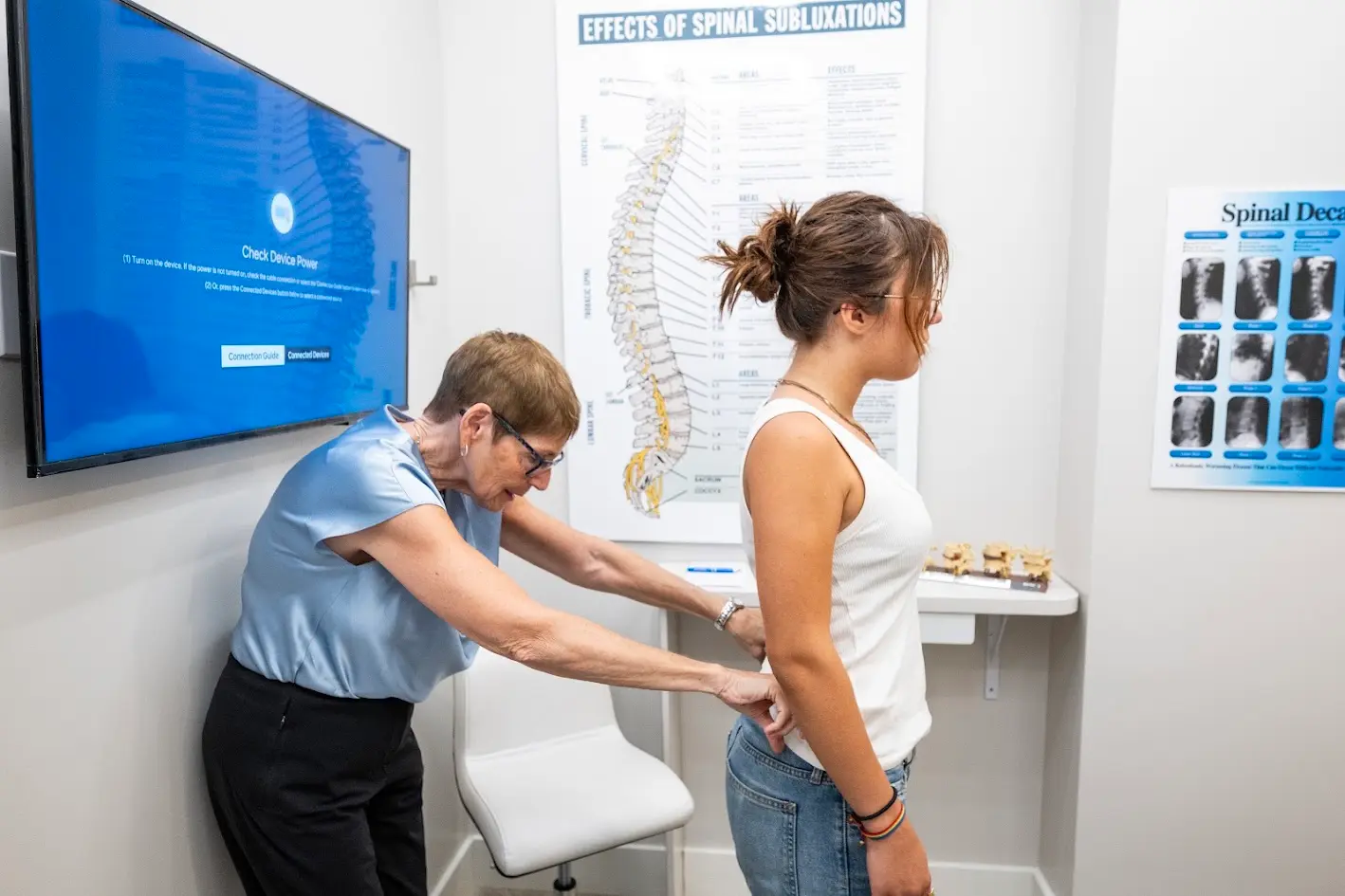
Why your body’s overall health affects healing
Ongoing inflammation, often linked to extra weight or long-term stress, can slow healing and make pain more sensitive. That’s one reason some patients make early progress and then stall. Dr. Melinda Keller and our team look for these factors during your evaluation and build them into your care plan.
Inflammation slows healing
Ongoing inflammation can slow tissue repair, so calming it can help your body respond to care.
Extra weight adds joint stress
Your knees, hips, and low back carry several times your body weight with each step, so even modest weight loss can reduce that stress.
Fatigue affects recovery
When you’re run down, it’s harder to recover between sessions and keep up with the active parts of care.
Stress, sleep, and pain are connected
Long-term stress can affect your sleep, tension, and pain sensitivity. Learn more about nervous system stress.
Questions about Metabolic & Structural Stress
1. I came in for back pain. How does my weight factor into my care plan?
If extra weight is adding load to your spine and joints, we’ll include it in your care plan instead of treating it as a separate conversation. Our weight management program is designed to support your overall care.
2. Is the weight management program a diet program or something clinical?
It’s more than a diet plan. The program uses the Zerona VZ8, an FDA-cleared low-level laser for non-invasive reduction of body circumference, along with nutrition support. Your doctor will explain how it fits into your overall care. Learn more about weight management.
3. I'm always tired and don't recover well from exercise. Is that something you address?
Yes. Feeling tired and slow to recover can be part of what we look at, especially when tension, inflammation, or extra load is involved. Since fatigue can have many causes, we also recommend checking in with your physician.
4. Can addressing metabolic stress actually improve my pain outcomes?
It can. For many patients, addressing extra load and inflammation alongside their care helps them make steadier progress. Your evaluation will show whether these factors apply to you. Learn more about our approach.
5. Do you work with patients who’ve been told their pain is related to their weight?
Yes, we see this often. We address both the pain and the factors contributing to it as part of one care plan. Schedule an evaluation and we’ll give you a clear picture of what’s driving your pain and what care could look like.