


Joint pain treatment at Brooklyn Spine Center
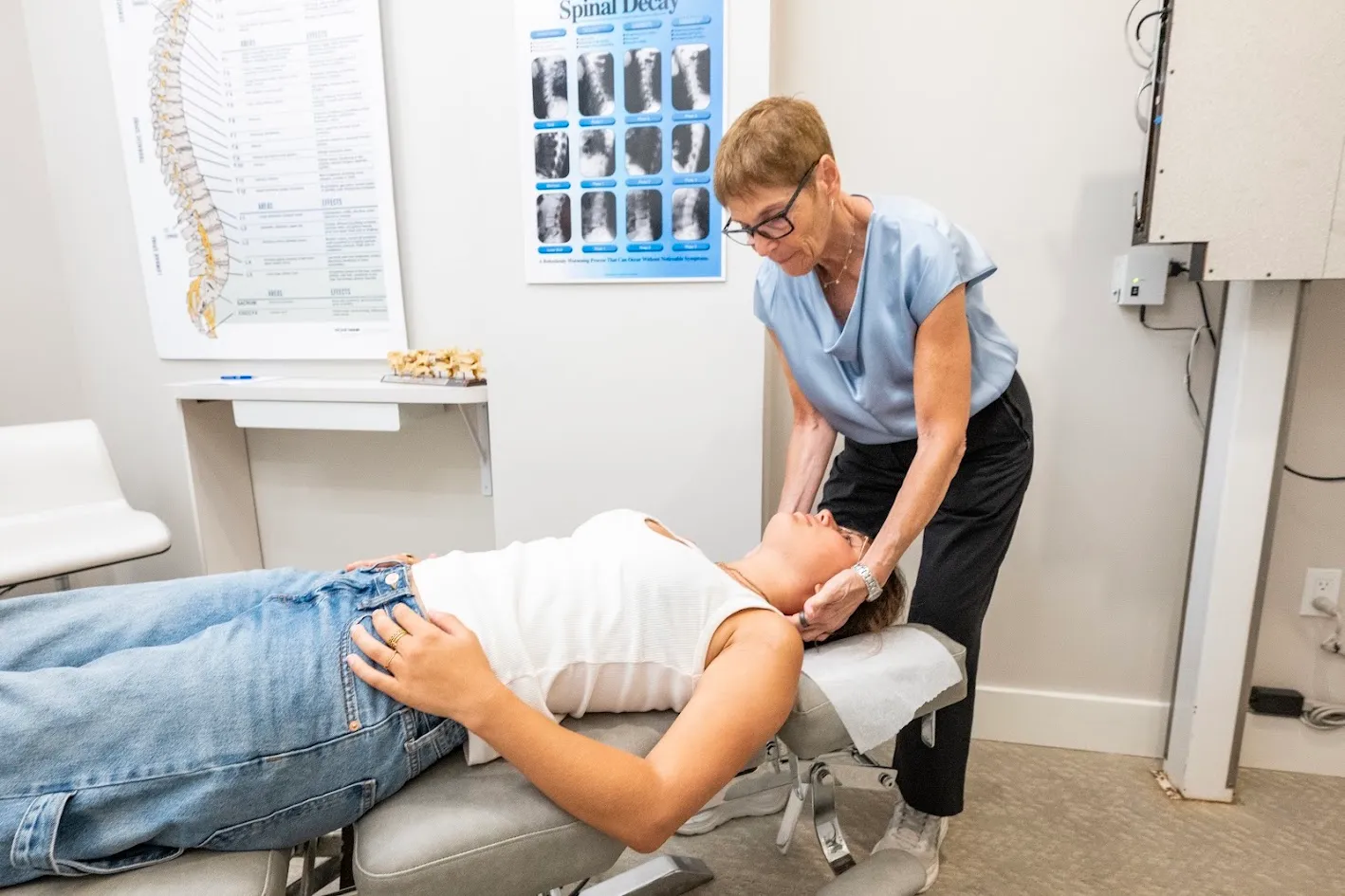
Joint pain anywhere in the body, whether it’s a shoulder that aches when you reach overhead or a knee that’s been limiting your stairs for months, often has a mechanical cause. Our doctors assess the joint and everything around it, then build care to match.
Joint pain is rarely just a joint problem
Shoulder pain is often tied to rotator cuff irritation, posture, and neck mechanics. Knee pain frequently involves the hips and ankles placing uneven load on the joint. That’s why we evaluate the whole chain of movement, not just the joint that hurts. See what to expect at your first visit, or learn more about our approach.
Conditions we commonly treat in this category:
Shoulder pain with lifting or overhead movement
Often involving the rotator cuff, AC joint, or surrounding musculature.
Rotator cuff irritation and strain
Tendon irritation or inflammation that limits strength and makes sleeping uncomfortable.
Knee pain with walking or climbing stairs
Often from kneecap tracking problems, soft tissue imbalances, or joint wear. Learn more about knee pain relief.
Joint instability and reduced confidence in movement
Weakness or a “giving way” feeling that needs strengthening and retraining.
Lingering joint injuries that haven't fully healed
Scar tissue and changes in how the joint moves that can linger after an old injury.
Hip and ankle pain affecting gait and posture
Problems that change how you walk and can cause pain in other areas over time.
Therapies that work below the surface
Our goal is to help your joint move well again, not just to quiet the pain for a while. We combine therapies based on your joint, your diagnosis, and how long you’ve had the problem. For chronic knee pain, we also offer knee decompression with the KneeOnTrac system. Explore all of our services.
PEMF Therapy
Pulsed electromagnetic fields that help calm inflammation and support circulation in and around the joint. Learn more about PEMF therapy.
Shockwave Therapy
Acoustic waves that help break up scar tissue and calcium deposits and encourage healing in tendons and ligaments. Learn more about shockwave therapy.
Cold Laser Therapy
Class IV laser therapy that helps calm inflammation and ease joint pain, with no downtime. Learn more about cold laser therapy.
Knee Pain Relief
KneeOnTrac decompression that gently opens the knee joint to ease pressure on the joint surfaces. Learn more about knee pain relief.

Why joint pain keeps coming back
Many people with joint pain go through the same cycle. The pain flares up, they rest, it settles down, and then it comes back. Rest and anti-inflammatories can help in the short term, but they don’t correct the movement problems or uneven load behind the pain. Dr. Melinda Keller and our team look for those underlying causes and build care around them.
Scar tissue from prior injuries restricts movement and invites re-injury
Old scar tissue can limit how a joint moves, even after the original pain is gone.
Compensation patterns spread the problem beyond the original joint
A painful knee changes how you walk, which loads the hip and lumbar spine differently, producing pain in those areas too.
Cartilage and tendons heal slowly
These tissues have limited blood supply, so therapies that support circulation can help the healing process.
Surgery isn’t always the first step
For many patients, non-surgical care is worth exploring before a joint replacement. We’ll always be honest about what’s realistic for your joint.
Questions about Joint Pain
1. Do you treat all joints, or just specific ones?
We treat joint pain throughout the body, including the shoulder, elbow, wrist, hip, knee, and ankle, along with the spine and posture problems that can contribute. For knee pain, we also offer KneeOnTrac decompression. See all the conditions we treat.
2. My joint pain has been going on for years. Is it too late for non-surgical treatment?
Long-standing joint problems can still respond to care, especially if the underlying causes were never addressed. How long you’ve had the problem matters, but it doesn’t rule out improvement. Your evaluation will give you an honest picture of what’s possible.
3. I've already had a cortisone injection. Can I still receive treatment here?
Yes. Prior injections don’t prevent you from receiving care here. Cortisone can help with inflammation, and our care focuses on the mechanical and tissue factors behind your pain. We’ll factor your full treatment history into your plan.
4. Can physical therapy be part of my joint pain care?
Yes. We offer physical therapy in-house, so strengthening and movement retraining can be combined with therapies like PEMF, shockwave, cold laser, and knee decompression. Your care team coordinates everything around the same goals.
5. Will I need imaging before treatment can begin?
Not always. Your doctor will decide whether imaging is needed after your exam, and we only order it when it adds real value. If you already have X-rays or MRI reports, bring them along. See what to expect at your first visit.