

Restoring mobility and function at Brooklyn Spine Center
When stiffness, limited range of motion, or recurring flare-ups start affecting your day, it’s worth getting evaluated. Brooklyn Spine Center helps patients find what’s limiting their movement and address it.
Mobility loss isn’t just part of aging
Many patients assume stiffness and limited movement are just part of getting older. Often, they’re signs of an underlying problem that has been building over time, and without care, they can get worse. See what to expect at your first visit, or learn more about our approach.
Conditions we commonly treat in this category:
Morning stiffness that takes too long to ease
Often linked to joint inflammation or tight soft tissue that has built up over time.
Difficulty bending, twisting, or reaching
Restricted range of motion driven by joint dysfunction and soft tissue tightness.
Weakness or reduced physical endurance
Often linked to inactivity, muscle imbalance, or instability in the joints.
Recurring flare-ups that prevent consistent progress
A pattern of partial recovery and setback driven by an unresolved underlying cause.
Restoring movement requires more than stretching and rest
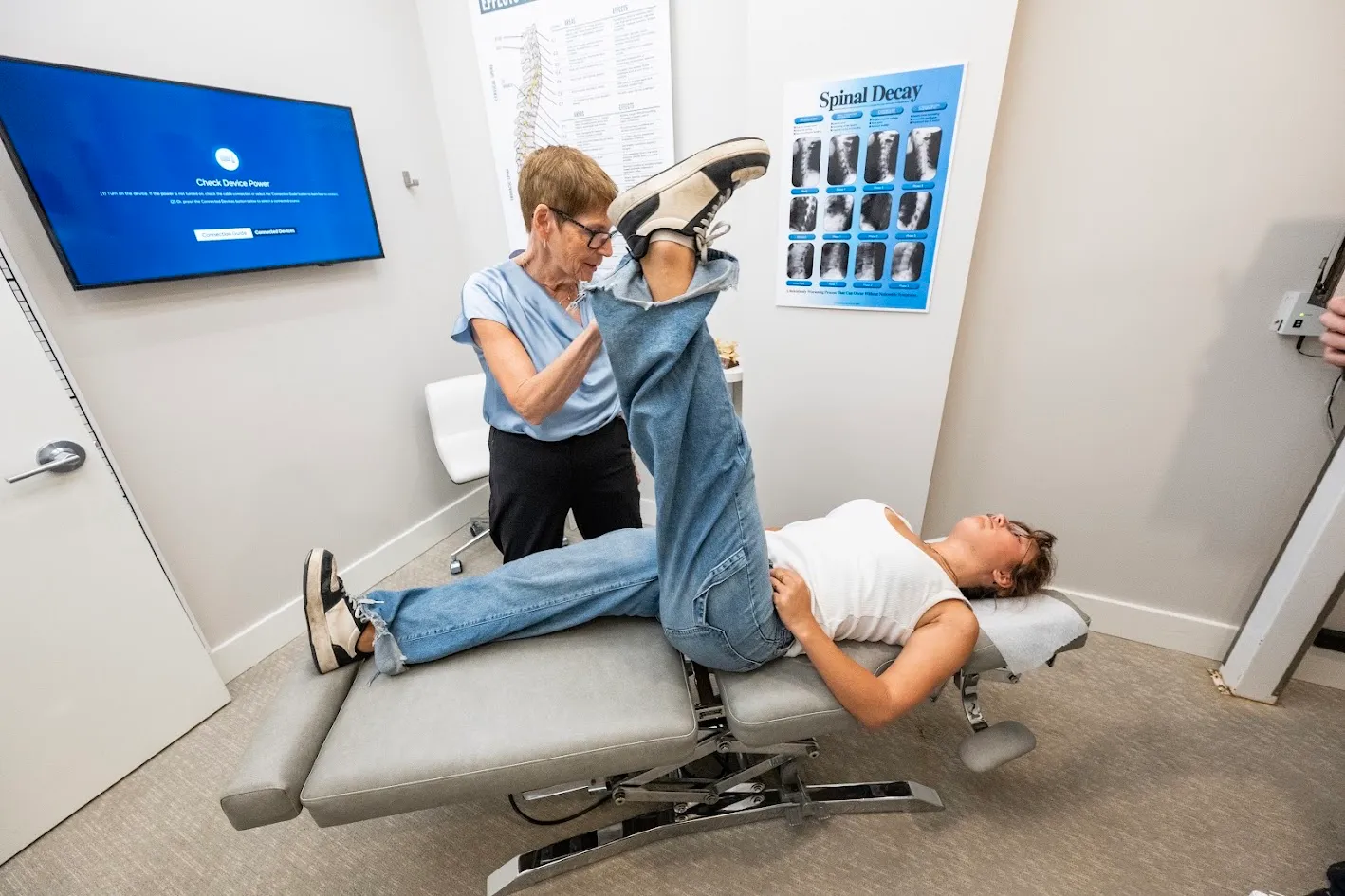
Getting your movement back means finding what’s limiting it and addressing those factors in the right order. We combine therapies so we can work on several contributing problems at once, which matters most for chronic or recurring mobility issues. Care often includes physical therapy alongside the therapies below. Explore all of our services, or see how our four-milestone approach works.
Chiropractic Care
Precise adjustments using Applied Kinesiology, Sacral Occipital Technique, Cranial Sacral Therapy, and the Pro Adjustor system to improve joint movement and ease restriction. Learn more about chiropractic care.
Spinal Decompression
Non-surgical decompression that eases pressure on the discs and nerves in the low back and neck, which often contributes to stiffness and limited movement. Learn more about spinal decompression.
Shockwave Therapy
Acoustic wave therapy that helps break up scar tissue and adhesions that limit range of motion. Learn more about shockwave therapy.
PEMF Therapy
Pulsed electromagnetic fields that help ease inflammation and support recovery in stiff, overworked tissue. Learn more about PEMF therapy.
The longer movement is limited, the harder it is to get back
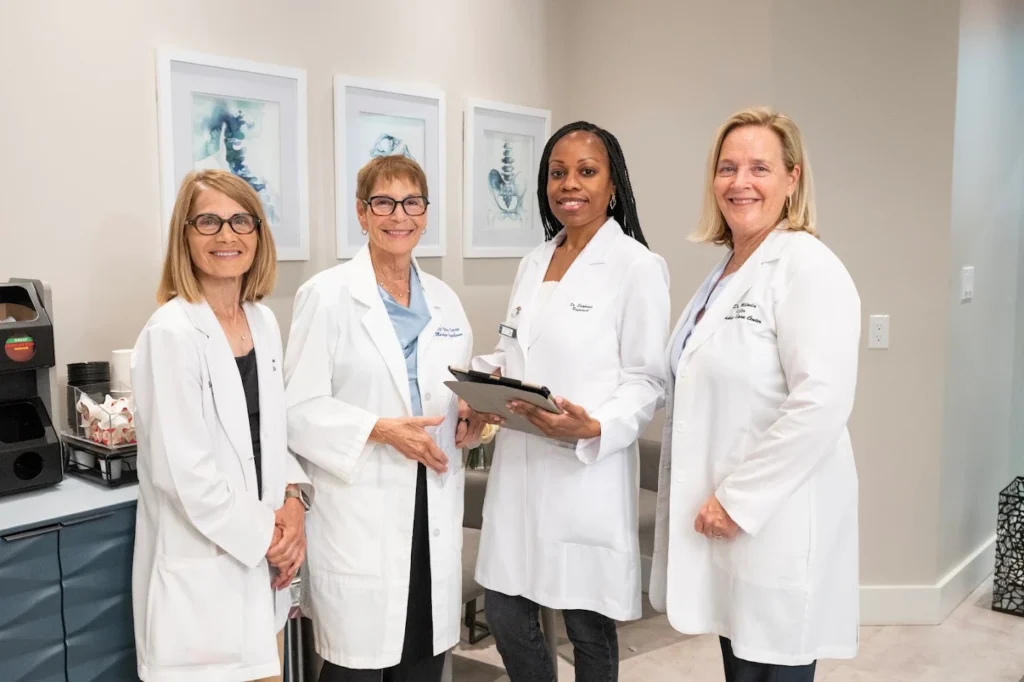
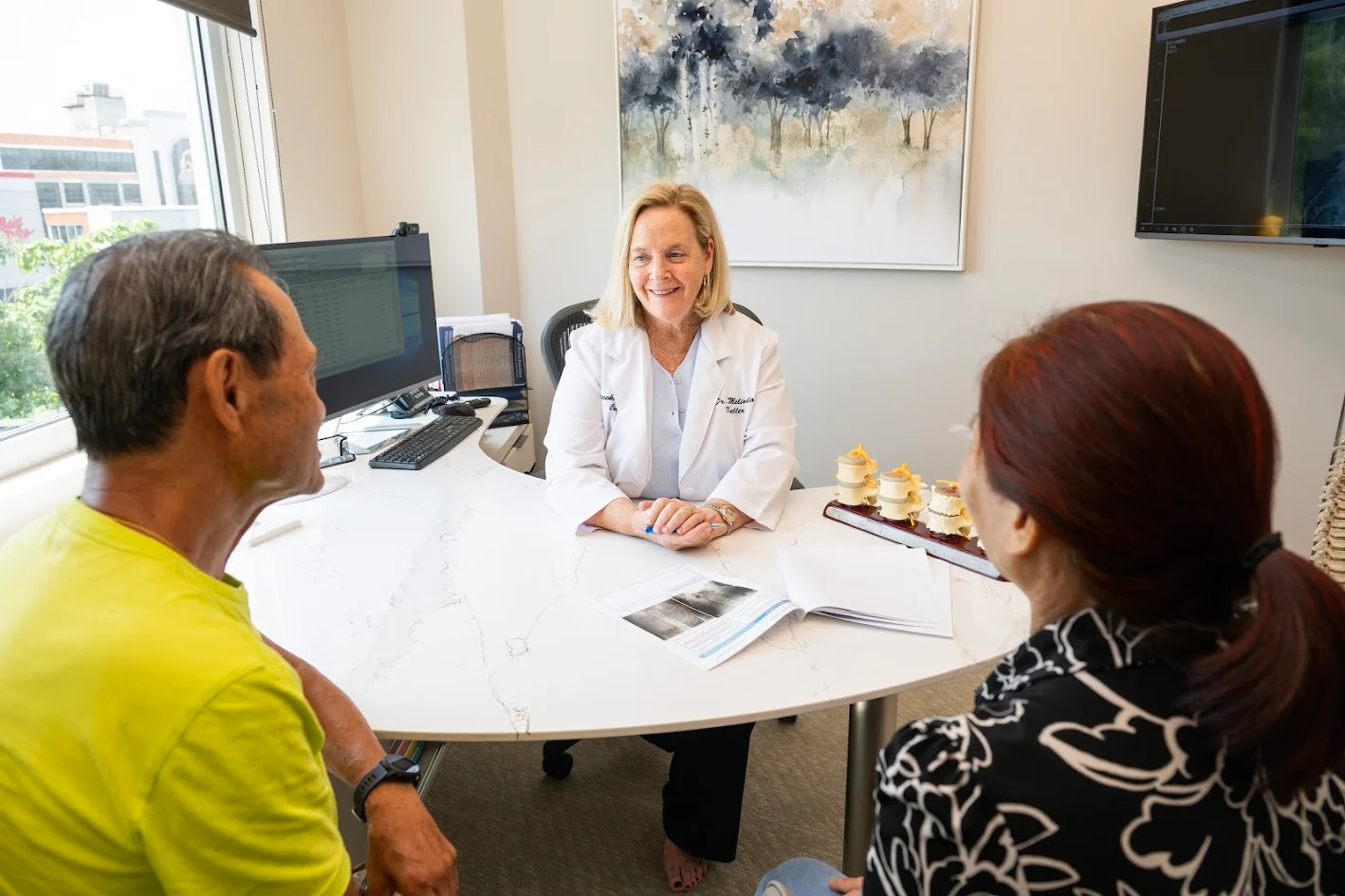
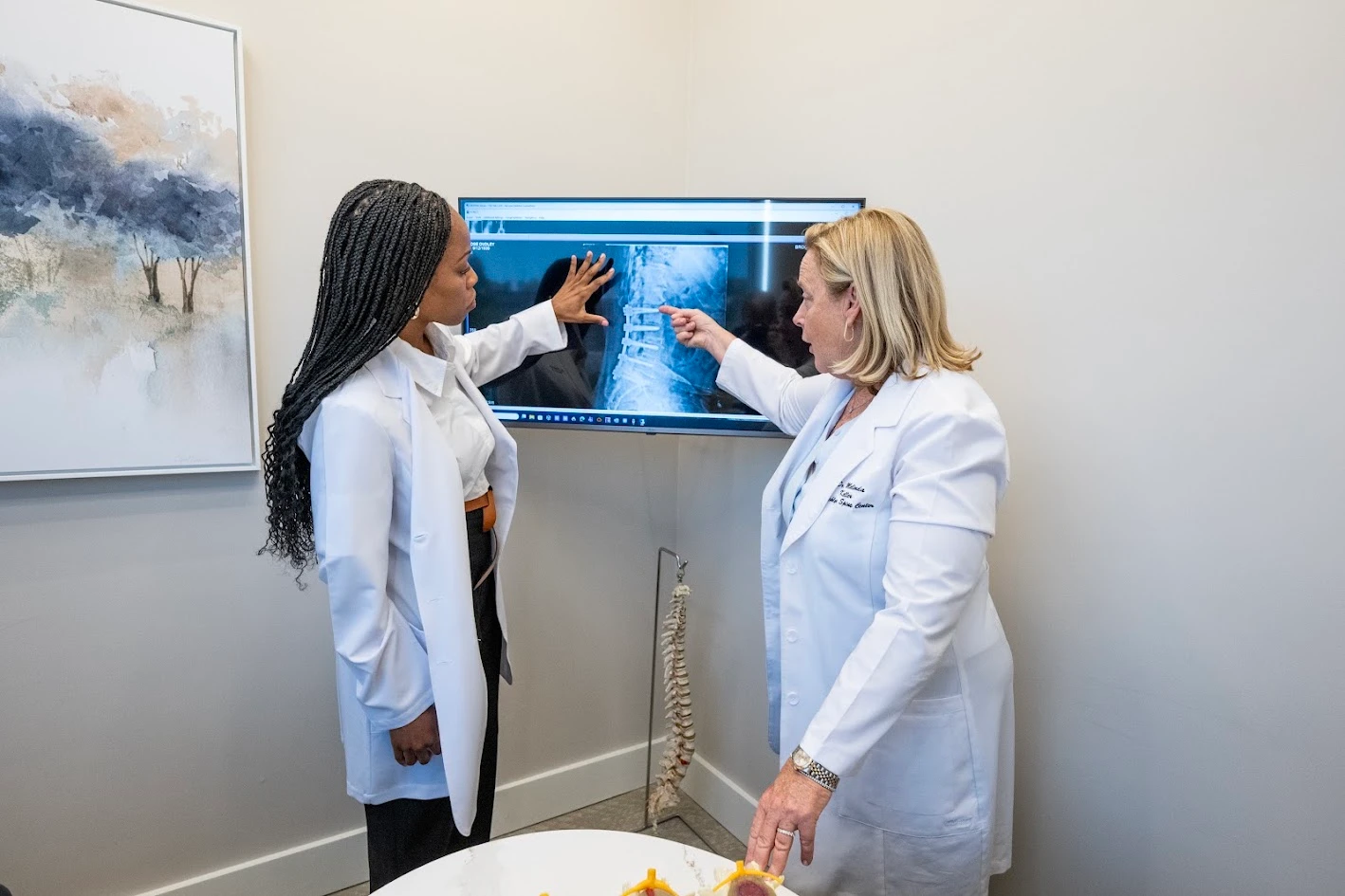
When a joint moves poorly for a long time, the tissue around it adapts by getting tighter and less flexible, and your body learns to move around the problem. That’s why earlier care is often easier. Dr. Melinda Keller and our team build plans that address both the current limitation and what’s causing it to come back.
Soft tissue adapts to restriction over time
Muscles and connective tissue that stay tight lose flexibility, so stretching alone may not be enough.
Neurological compensation patterns become self-reinforcing
Your body learns to move around restricted areas, which can put extra load on other joints.
Recurring flare-ups are a signal, not a coincidence
Repeated setbacks often mean an underlying cause hasn’t been fully addressed.
Less movement can lead to more problems
Moving less can lead to weakness, which makes injuries more likely. The right care can help break that cycle.
Questions about Mobility & Function Loss
1. How do I know if you can help with my stiffness and limited movement?
The best way to know is to come in for an evaluation. Stiffness and limited movement can have many causes, and finding yours is exactly what your first visit is for. See what to expect.
2. My mobility has been declining for years. Is improvement realistic?
Often, yes. Long-standing mobility problems can still improve when the underlying causes are found and addressed. Your doctor will give you an honest picture based on your history and exam.
3. I've been stretching and exercising and it's not helping. Why?
Stretching and exercise are important, but they may not be enough if scar tissue, nerve pressure, or joint restriction is limiting you. Combining physical therapy with therapies like decompression or shockwave can address what exercise alone may not reach.
4. Will I need to stop exercising during care?
Not necessarily. Continuing to move within appropriate limits is often clinically beneficial. Your doctor will give specific guidance based on your condition and care stage.
5. How long does it take to restore meaningful mobility?
It depends on your condition, how long you’ve had it, and how your body responds. Some patients notice improvement within the first few weeks, while others progress more gradually. Your doctor will keep you updated on your progress and next steps.