


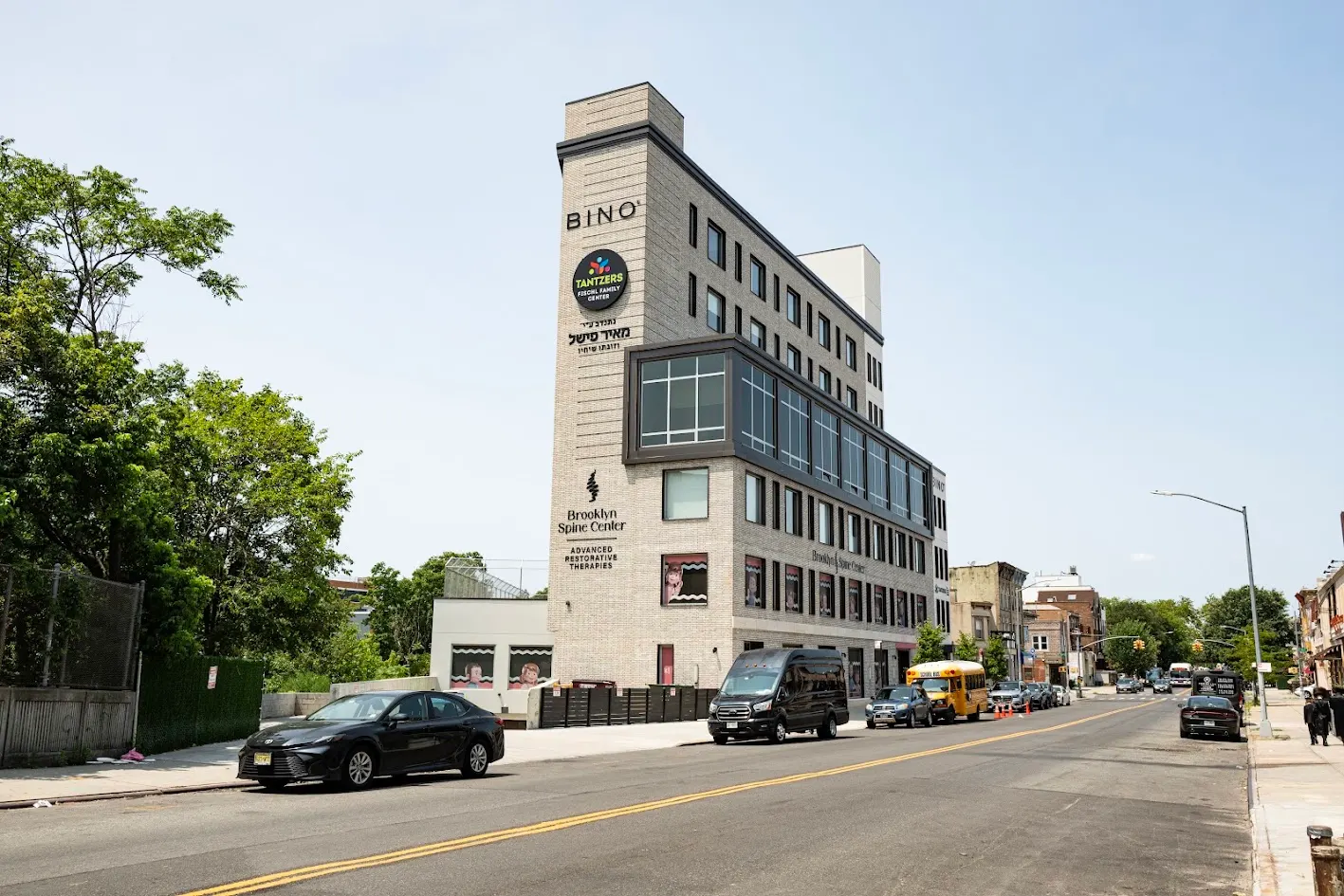
Physical Therapy at Brooklyn Spine Center
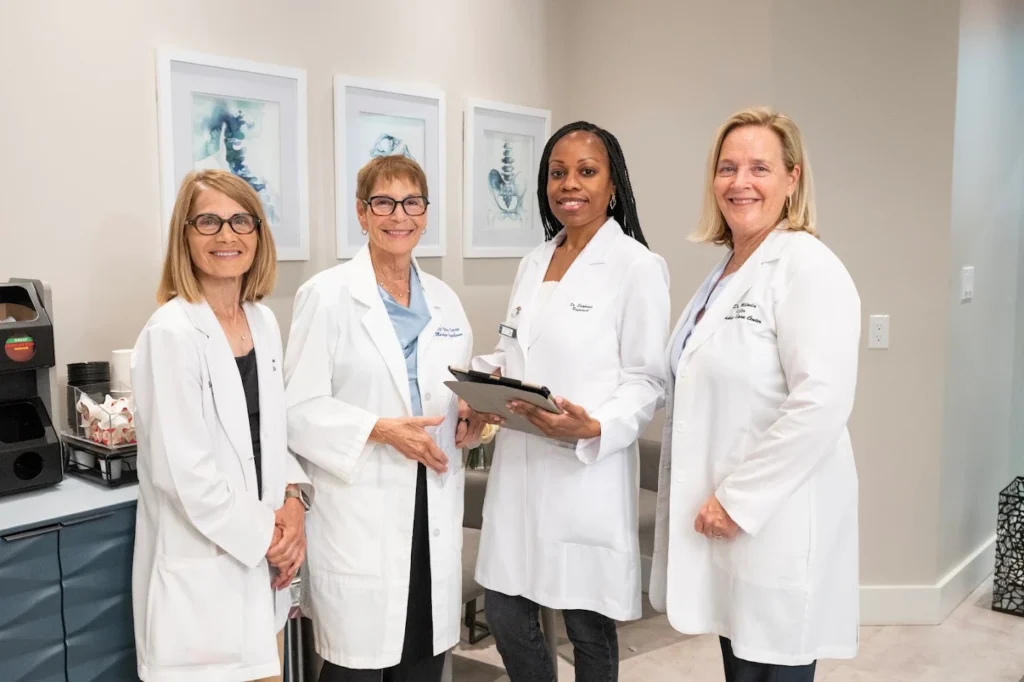
Physical therapy at Brooklyn Spine Center focuses on restoring real function, not just relieving pain in the moment. Our licensed physical therapist, Larry Codner, RPT, designs individual plans that combine targeted exercise, manual therapy, and supportive modalities to help you regain strength, mobility, and confidence.
Personalized therapy with one goal: getting you back to full function
Larry works within the same integrated care model as the rest of our team. Your plan is built around your specific injury, movement limitations, and recovery goals, and it’s coordinated with any other care you’re receiving, like chiropractic adjustments, spinal decompression, or PEMF therapy.
What makes physical therapy here different:
- Exercises built around your specific injury and goals, not a standard printed sheet.
- Hands-on manual therapy to address soft tissue tightness and joint restriction directly.
- Progress tracked visit to visit, with your plan adjusted as you improve.
- Coordinated with chiropractic care, decompression, PEMF, cold laser, or shockwave when appropriate.
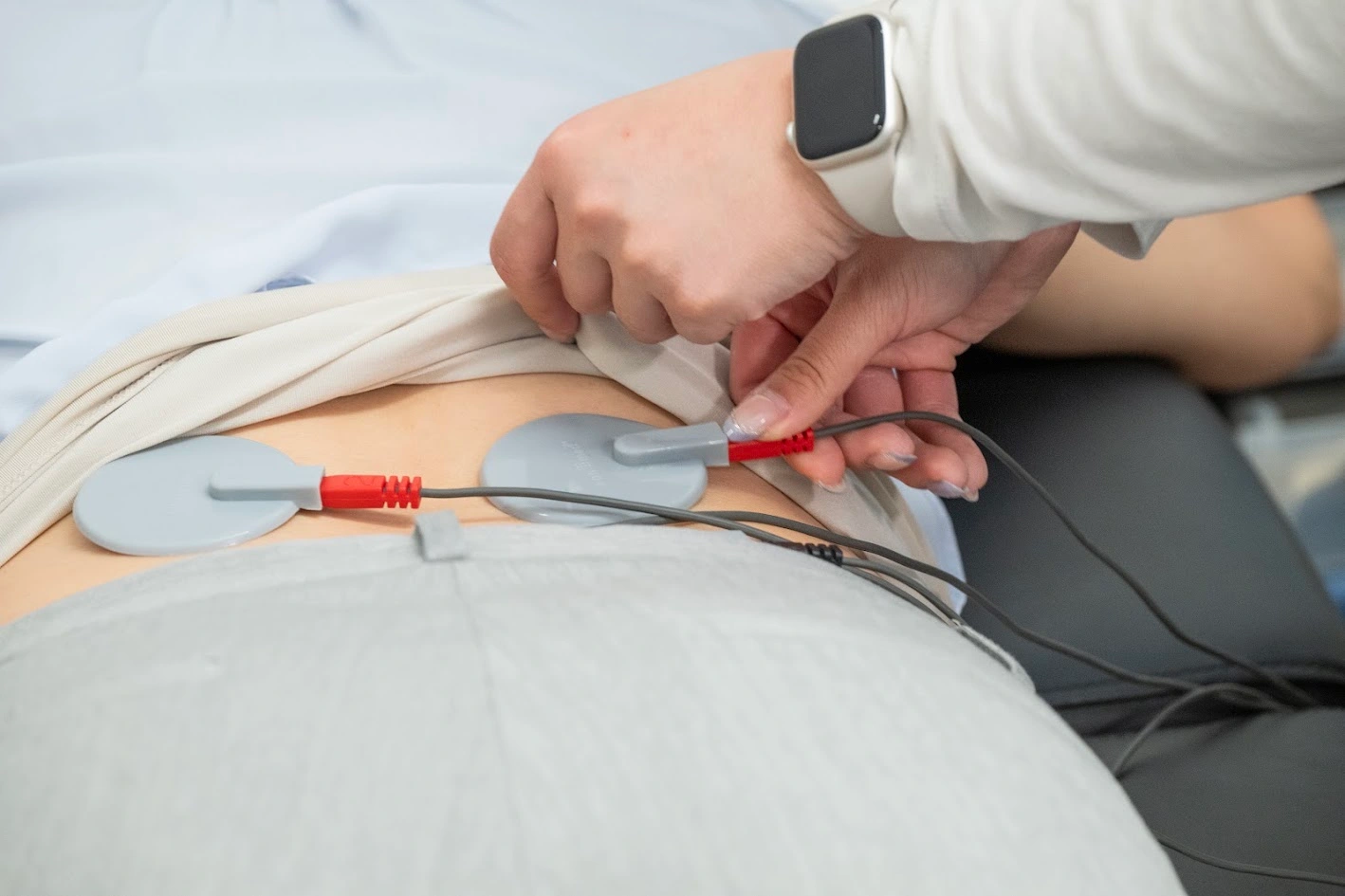
Every phase of recovery has a purpose
Different patients need different combinations of exercise, hands-on work, and support depending on where they are in recovery. See how physical therapy fits with our other services.
Therapeutic exercise
Targeted exercises to rebuild strength, stability, and control, progressed as your body is ready.
Manual therapy
Hands-on techniques for muscle tightness and joint restriction that exercise alone can’t always fix.
Neuromuscular re-education
Retraining how your muscles and joints work together to correct habits that develop after injury or long-term pain.
Post-injury and post-surgical rehabilitation
A step-by-step plan to safely rebuild strength and range of motion after an injury or surgery.
Coordinated with your other care
If you’re also receiving chiropractic care, decompression, PEMF, cold laser, or shockwave, your physical therapy is planned to support the same goals.
Care from a licensed physical therapist
Larry Codner, RPT, works with you through every step of your recovery.
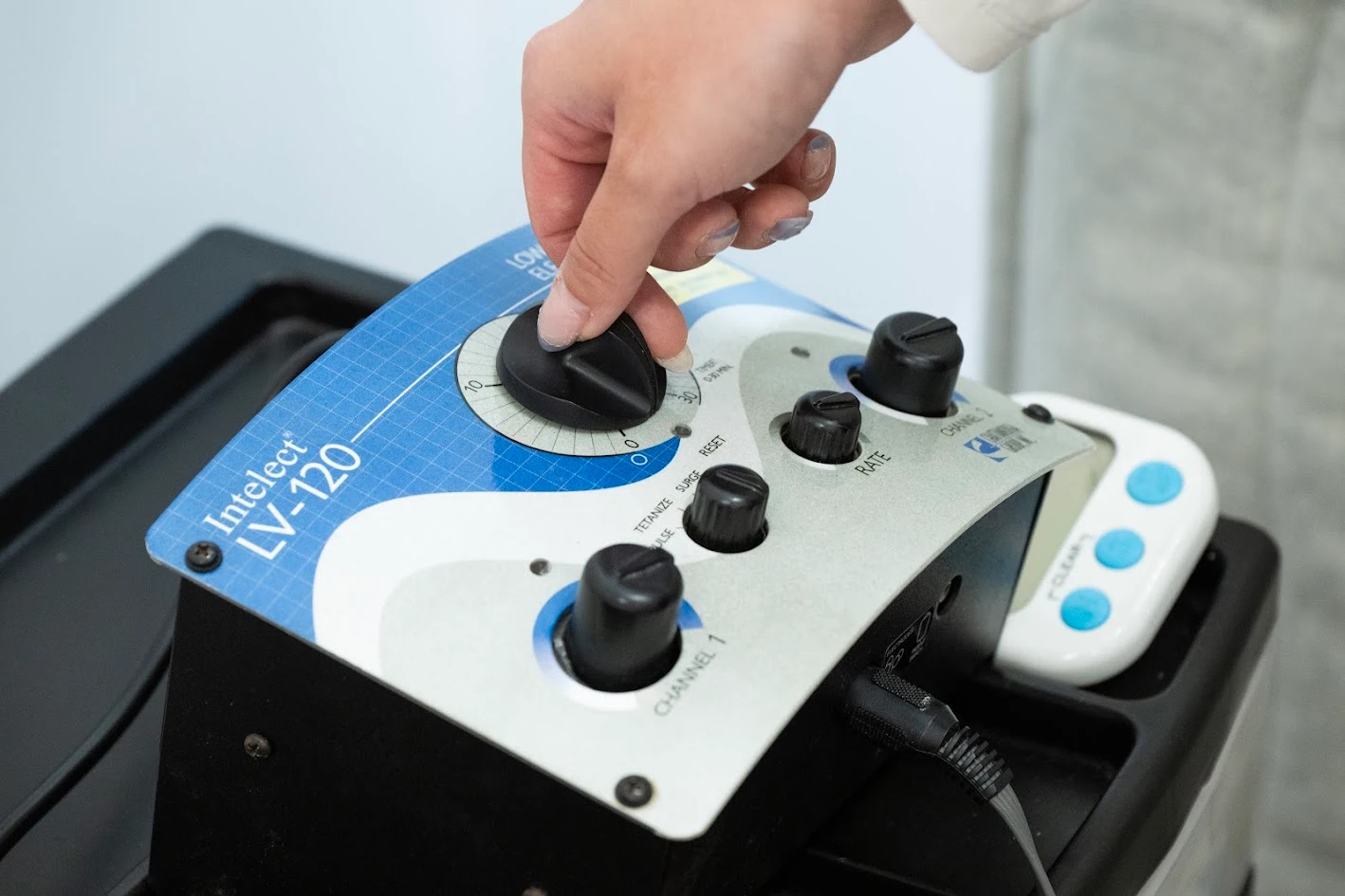
Results that go beyond pain relief
As strength returns and movement improves, many patients notice better overall function and less strain on other areas of the body, especially when physical therapy is combined with chiropractic care or other therapies.
Reduced pain and improved daily function
Less pain and stiffness as strength and mobility return.
Improved strength, flexibility, and range of motion
Restoration of movement that injury, surgery, or chronic dysfunction has limited.
Better movement patterns, less compensation
Correcting how you move reduces strain on the joints and muscles that have been picking up the slack.
Progress that builds over time
Gains in strength and mobility build as your plan progresses, especially when you keep up with your home exercises.
Questions about Physical Therapy
1. Who provides physical therapy at Brooklyn Spine Center?
Physical therapy is provided by Larry Codner, RPT, our licensed physical therapist. He works as part of our care team, and your plan can be coordinated with chiropractic care or other therapies when appropriate.
2. How is my physical therapy plan decided?
Your plan is based on an evaluation of your injury, movement limitations, and goals. Your therapist will explain why each exercise and technique is recommended. Learn more about what to expect at your first visit.
3. Can physical therapy be combined with chiropractic care or other treatments?
Yes. Many patients benefit from physical therapy alongside chiropractic adjustments, spinal decompression, PEMF, cold laser, or shockwave therapy. Your care team coordinates these treatments so they support the same recovery goals.
4. How often will I need physical therapy sessions?
It depends on your condition and how you respond. Sessions are usually more frequent at first and then taper off as you get stronger. Your therapist will explain your recommended schedule.
5. Is physical therapy only for injuries, or can it help with chronic conditions too?
Both. Physical therapy is commonly used after injuries and surgery, and it can also help with chronic pain, limited mobility, and conditions that benefit from strengthening and better movement over time.